
Community Story: Walk
"Beyond the practical support, it sends a powerful message: that someone believes in their potential and future. That kind of belief is powerful. It tells a man who’s trying to rebuild his life that he’s not alone – and that his future is worth investing in."
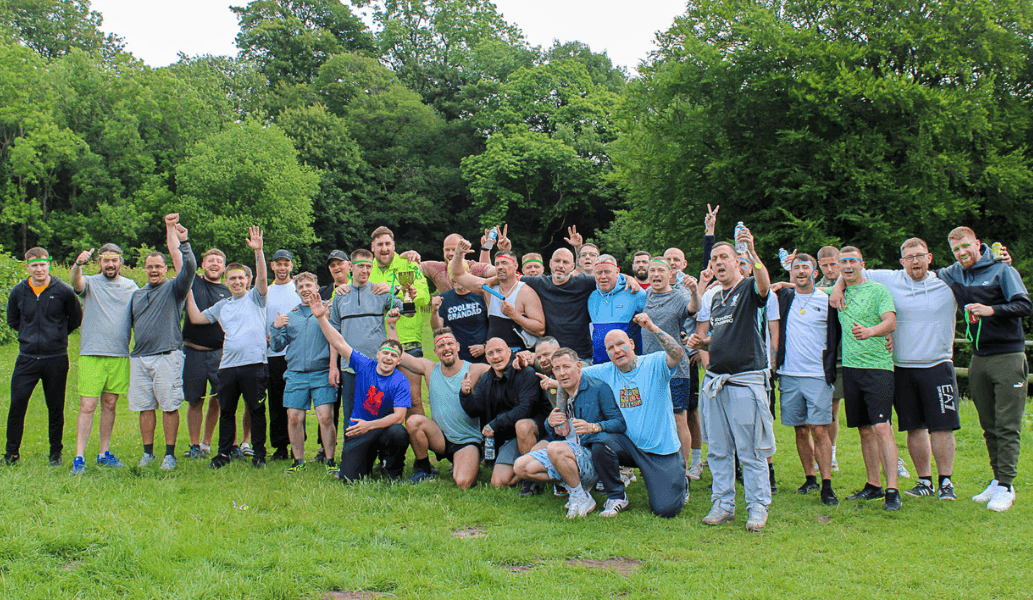
For our next feature casting a spotlight on a community benefitting from National Grid’s Community Matters Fund 2025 (Future Skills) we are in Stoke-on-Trent, and looking at the work that the Walk team do in providing rehabilitation of released prisoners or individuals who are at risk of being imprisoned. Luke Upton, our Head of Communications spoke to Charmaine Lloyd, Funding Manager at Walk to find out more about this important work, some recent developments and personal insights from those they have supported.
Luke Upton (LU): Thank you for speaking to me today, for our readers could you give a little introduction to the community you serve in the Midlands and why your support is needed?
Charmaine Lloyd (CL): No problem, Luke. Walk supports up to 65 men annually from across the UK as they leave prison and begin rebuilding their lives—often with no home, income, or support. Many carry histories of addiction, trauma, and exclusion, making the risk of relapse or reoffending high. Walk offers more than shelter: we provide a holistic programme including detox, mentoring, life skills, and employment pathways. Every man who joins us is seeking change, and we journey with him as he discovers his purpose.
To quote just two people we’ve supported: “Walk gave me my family back and made me the man I was always supposed to be” and “Before, I was addicted to crack and heroin. Now, I’m living with purpose.” These aren’t just stories—they’re lives being transformed. And that’s why we’re passionate about what we do.
LU: Thanks for the great introduction, what’s been your particular focus in recent years?
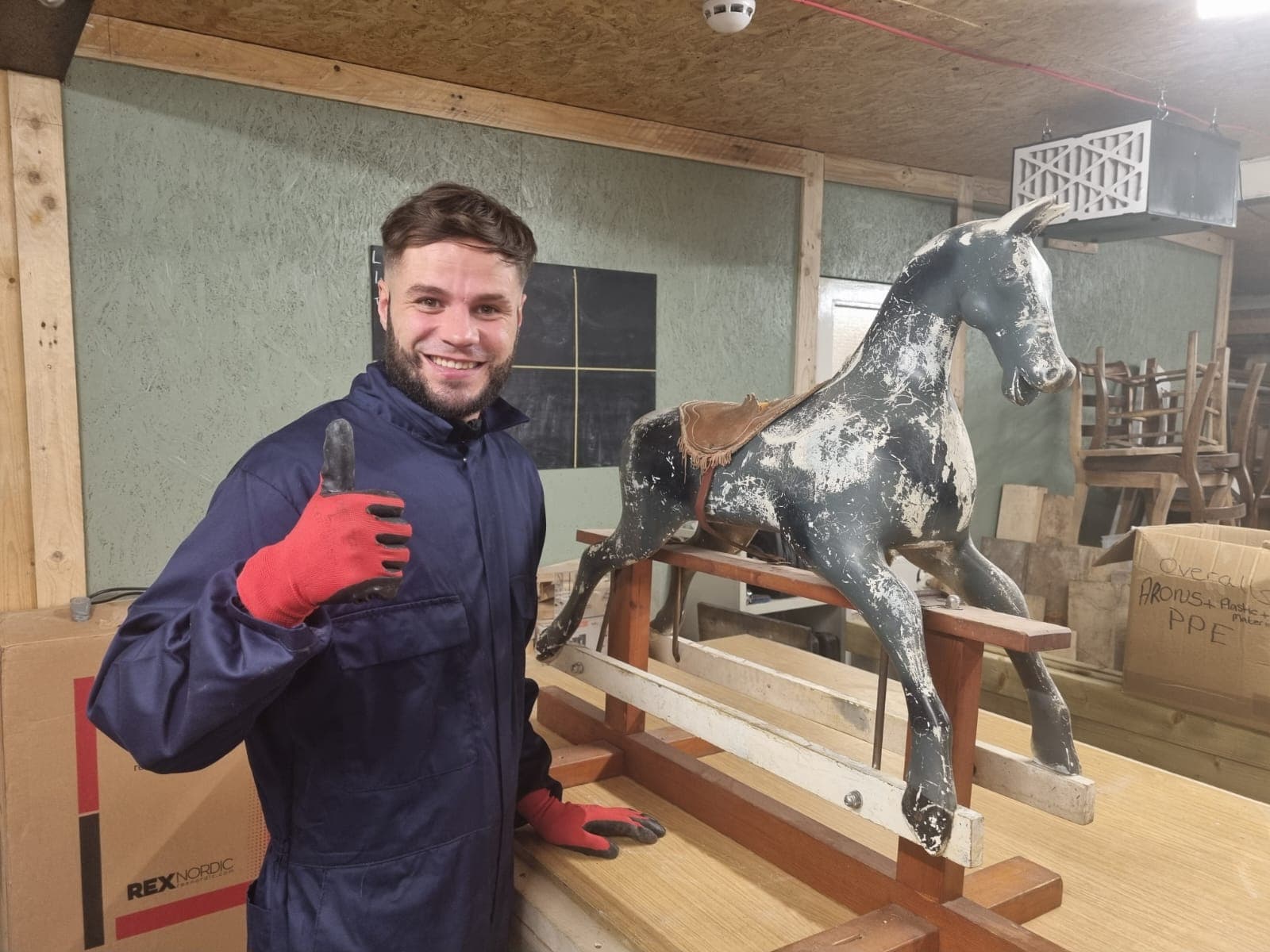
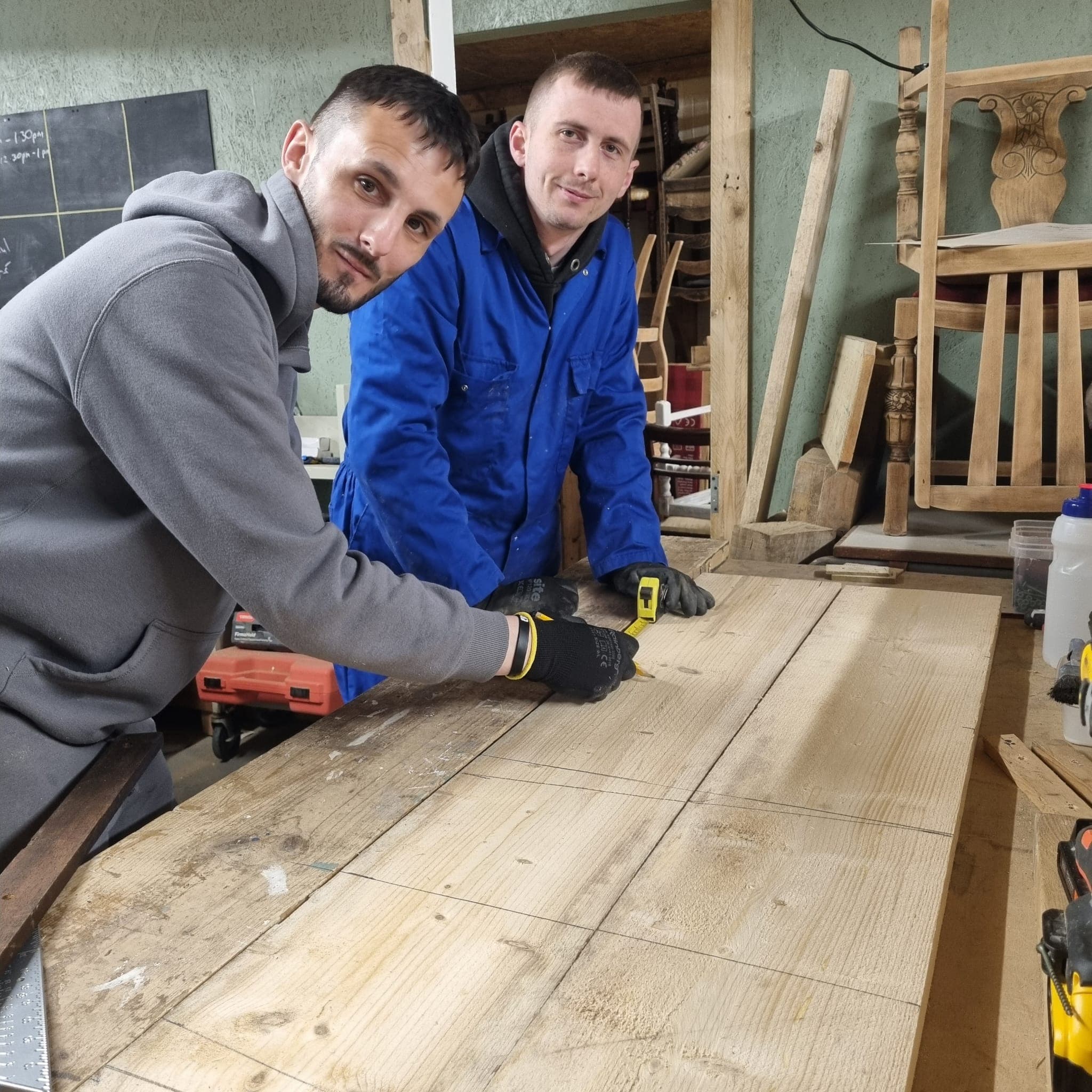
CL: Our focus has always been on evolving to meet the needs of the men we serve. Our most recent strategies include creating additional support roles and empowering more former residents to become staff members, strengthening partnerships with local prisons to support smoother transitions into the community, and expanding educational opportunities through partnerships. We've also introduced therapeutic activities such as creative writing, art, and furniture restoration— as residents dismantle old habits and begin to rebuild their lives, these hands-on and expressive practices invite reflection, self-expression, and beauty.
During times of deep personal change, each creation becomes a powerful symbol of healing, hope, and renewed possibility. In addition, we’ve embedded additional counselling sessions with a registered professional at key transition points, aimed at fostering long-term recovery and personal growth.

"At Walk, Gareth found more than just a place to stay—he found an extended family and people who believed in him. Through detox support, counselling, and meaningful work, he began to rebuild his life. He secured stable housing, reconciled with his wife, and signed his first-ever employment contract."
LU: Can you tell us more about the project funded by the Community Matters Fund?
CL: We’re incredibly grateful to the Community Matters Fund for supporting a project that fills a critical gap: the lack of basic resources for men leaving prison. Many arrive with nothing more than the clothes they were wearing when they first went to prison—often years earlier. By the time they’re released, those clothes may no longer fit, suit the season, or be safe or suitable for work. Some are even falling apart.
Thanks to National Grid and Localgiving for this generous funding, we’ve been able to provide durable workwear that allows our residents to enter the workplace with pride and as equals. Crucially, it also enables them to take part in volunteer placements—whether in gardening, cleaning, or supporting local charities—that serve as vital stepping stones to employment, self-worth, confidence, and reintegration.
LU: How important is this kind of funding to your organisation?
CL: This funding is vital. It helps us meet real; every day needs that can so easily be missed—like clothing, transport, and counselling-that are often overlooked but essential for someone starting over. Beyond the practical support, it sends a powerful message: that someone believes in their potential and future. That kind of belief is powerful. It tells a man who’s trying to rebuild his life that he’s not alone – and that his future is worth investing in.
LU: More money aside, as always like to ask our interviewees what would help you most?
CL: Partnerships are key. We need employers, community champions, and donors who believe in second chances. Whether it’s offering placements, donating essentials, or helping us spread the word by following and sharing our work on social media, every act of support helps challenge stigma and helps someone rewrite their story.
But even beyond partnerships, there’s something each of us can offer: kindness. When Kelvin was lost in the shadows of addiction and past violence, change didn’t come through a programme—it came through a person. A stranger stopped him on the street and said, simply, “You matter.” Those few seconds of grace were enough to nudge him toward Walk—and from there, a journey began. Now, the man he’s become is almost unrecognisable from the one the community once knew.
LU: And before we finish, is there anything else you'd like to inform our readers about?
CL: We’d love to leave you with a story that captures the heart of what we do at Walk.
Meet Gareth: At just 12 years old, Gareth’s life was shattered by the loss of his mother to suicide. A few years later, he lost his sister too. With no stable support system and grief weighing heavily on his young shoulders, Gareth became homeless and turned to drugs to cope. What followed was a long and painful cycle of addiction, homelessness, and prison—a life defined by survival, not hope. But Gareth’s story didn’t end there.
When he heard about Walk, he made the brave decision to start again. At Walk, Gareth found more than just a place to stay—he found an extended family and people who believed in him. Through detox support, counselling, and meaningful work, he began to rebuild his life. He secured stable housing, reconciled with his wife, and signed his first-ever employment contract.
Today, Gareth leads Walk’s cleaning team and has helped over 300 men learn volunteering skills through the programme. He’s a mentor, a provider, and a living example of what’s possible when someone is given the right support at the right time. “This place has changed my life,” he says. “I’m so thankful to God for bringing me home.”
His story is just one of many – and the reason that we do what we do.
LU: Thank you for sharing such wonderful insights. Keep up the fantastic work.
Find out more about Walk and their work by clicking here.