
Community Story: Plasma of Hope
"In recent years, our organisation supporting people with sickle cell and thalassaemia has experienced significant changes and increased demands due to various factors, primarily the rising cost of living crisis. These changes have impacted both our clients and our staff, reshaping the nature of our work and the challenges we face."
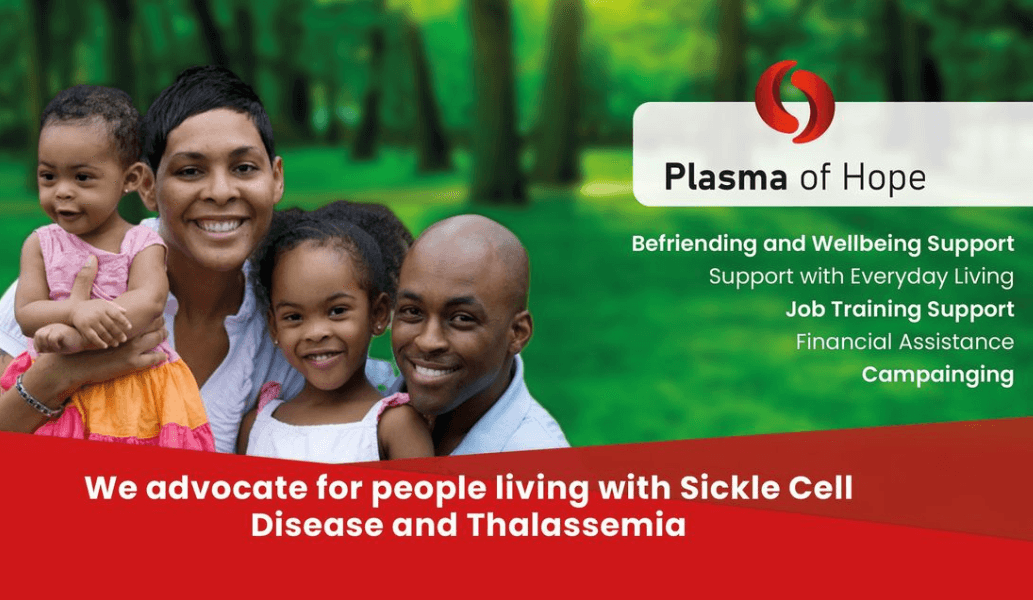
Today we are in the West Midlands of England, to learn about a fantastic project, "Winter is Coming: Beating Fuel Poverty Together" spearheaded by Plasma of Hope, a hardworking charity, dedicated to supporting individuals that are living with Sickle Cell Disease (SCD), or other related illnesses. This project, funded by the recent National Grid Community Matters Fund (Fuel Poverty) was initiated against the backdrop of the escalating cost-of-living crisis, which has disproportionately impacted the health and well-being of vulnerable populations, including those with SCD.
Our Head of Communications, Luke Upton, sat down with Plasma of Hope’s Chief Executive Officer, Marie-Claire Kofi, to learn more:
Luke Upton (LU): Thanks for the time today, could you give us a little introduction to the work of Plasma of Hope and the community in which you serve?
Marie-Claire Kofi (M-CK): Hi Luke, Plasma of Hope is a UK registered charity, supporting those with Sickle Cell Disease, which is now one of the most common serious genetic conditions in England. Working across Walsall and surrounding boroughs like Dudley, Wolverhampton, and Sandwell in the West Midlands of England, we understand the struggles individuals face who are living with sickle cell. We understand the frustration of not being able to do everyday chores, or enjoy certain life experiences, and our mission is to alleviate some of those struggles.
Plasma of Hope’s ( @PlasmaofHope ) broader mission encompasses raising awareness of SCD and other genetic blood disorders like Thalassemia through campaigns and educational initiatives, aiming to foster understanding and adaptation within the community. Furthermore, our Befriending Services pairs individuals with SCD with compassionate volunteers for emotional support and companionship, through regular phone calls or home visits adhering to health guidelines.
LU: How has your work and the demands you face changed in recent years?
M-CK: In recent years, our organisation supporting people with sickle cell and thalassaemia has experienced significant changes and increased demands due to various factors, primarily the rising cost of living crisis. These changes have impacted both our clients and our staff, reshaping the nature of our work and the challenges we face.
The cost-of-living crisis has fundamentally altered the landscape of our organisation's work, leading to increased demand for services, strain on mental wellbeing, heightened workload for staff, reduced volunteer numbers, increased reliance on external referrals, and exacerbated challenges during the winter months.
Adapting to these changes requires innovative solutions and collaboration with other stakeholders to ensure we continue to effectively support individuals affected by sickle cell disease and thalassaemia in the face of evolving socio-economic challenges.
LU: Some big challenge there, but you’ve just received funding from the Community Matters Fund for a project on tackling fuel poverty. Tell us some more about where this idea has come from and why it is so important?
M-CK: The idea of addressing fuel poverty through a comprehensive approach originates from a deep understanding of the pressing challenges faced by individuals and communities grappling with rising energy costs. This initiative has emerged from recognising the urgent need to support vulnerable populations, particularly those with conditions like sickle cell disease and thalassaemia, who are disproportionately affected by fuel poverty.
At its core, this project stems from a commitment to ensuring the well-being and dignity of the communities we serve. Fuel poverty poses a direct threat to the health and safety of vulnerable individuals during harsh weather conditions. Providing immediate relief is essential for preventing hardship and suffering.

"Plasma of Hope extends heartfelt gratitude to the Community Matters Fund, National Grid, Localgiving, and all our partners and sponsors for their invaluable support, without which the "Winter is Coming: Beating Fuel Poverty Together" project would not have been possible. Thank you for standing with us in our mission to uplift and support vulnerable communities."
LU: How important is the support you’ve received from National Grid and Localgiving?
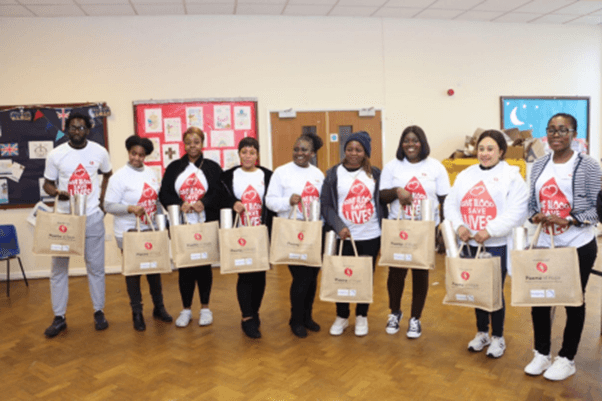
M-CK: The support from National Grid and Localgiving was pivotal in our systematic approach to combat fuel poverty through a multi-tiered strategy. Beginning with awareness building by disseminating vital information to vulnerable people. Then came community outreach, where National Grid and Localgiving’s assistance allowed us to establish partnerships to ensure news of our support reached those who needed it most. Our Warm Hub Event happened on 9th March, where we distributed 50 warm packs to members of our community.
We also delivered targeted education, with workshops and one to-one sessions tailored to vulnerable populations, educating them on practical energy-saving measures that could help alleviate the burden of high-energy costs. Plus, a support scheme assisting eligible families in navigating complex support schemes, such as winter fuel discounts and Social Fund scheme. And financial counselling, allowing us to provide customised financial counselling sessions, helping families to budget their energy costs effectively and manage their finances more efficiently.
With this funding, we conducted periodic reviews of our programs based on metrics and user feedback, allowing us to adapt and evolve our approach to better meet the changing needs of our community.
This support from National Grid and Localgiving played a crucial role in our comprehensive efforts to combat fuel poverty by raising awareness, providing education and support, and continually refining our approach based on data and feedback. Through their assistance, we effectively empowered vulnerable populations to navigate and overcome the challenges of high energy costs, ultimately improving their quality of life and well-being.
LU: And finally, what would most help you in 2024?
M-CK: What would most help us continue our mission in combating fuel poverty and supporting vulnerable populations is ongoing financial support and resources. Specifically, continued funding from government grants, corporate sponsors, and philanthropic organisations would enable us to sustain and expand our programs and services.
Additionally, access to data analytics tools and technology would enhance our ability to track program efficiency and tailor our interventions to meet the evolving needs of the community effectively. Also, partnerships with local businesses and community organisations can provide additional resources and support networks, amplifying the impact of our initiatives. Ultimately, a collaborative effort involving financial support, technological resources, and community partnerships would be most beneficial in helping us address the ongoing challenges of fuel poverty and support those in need.
LU: Thank you and any final words?
M-CK: Plasma of Hope extends heartfelt gratitude to the Community Matters Fund, National Grid, Localgiving, and all our partners and sponsors for their invaluable support, without which the "Winter is Coming: Beating Fuel Poverty Together" project would not have been possible. Thank you for standing with us in our mission to uplift and support vulnerable communities.
LU: Brilliant, we are delighted to support such important work and look forward to keeping our readers updated with the latest developments.